
Quick Answer
Asia cruises are best for travellers who want a big, varied trip with cities, temples, food, beaches and long-haul adventure. They need more planning than a Mediterranean cruise, especially around flights, visas, travel insurance and port distances.
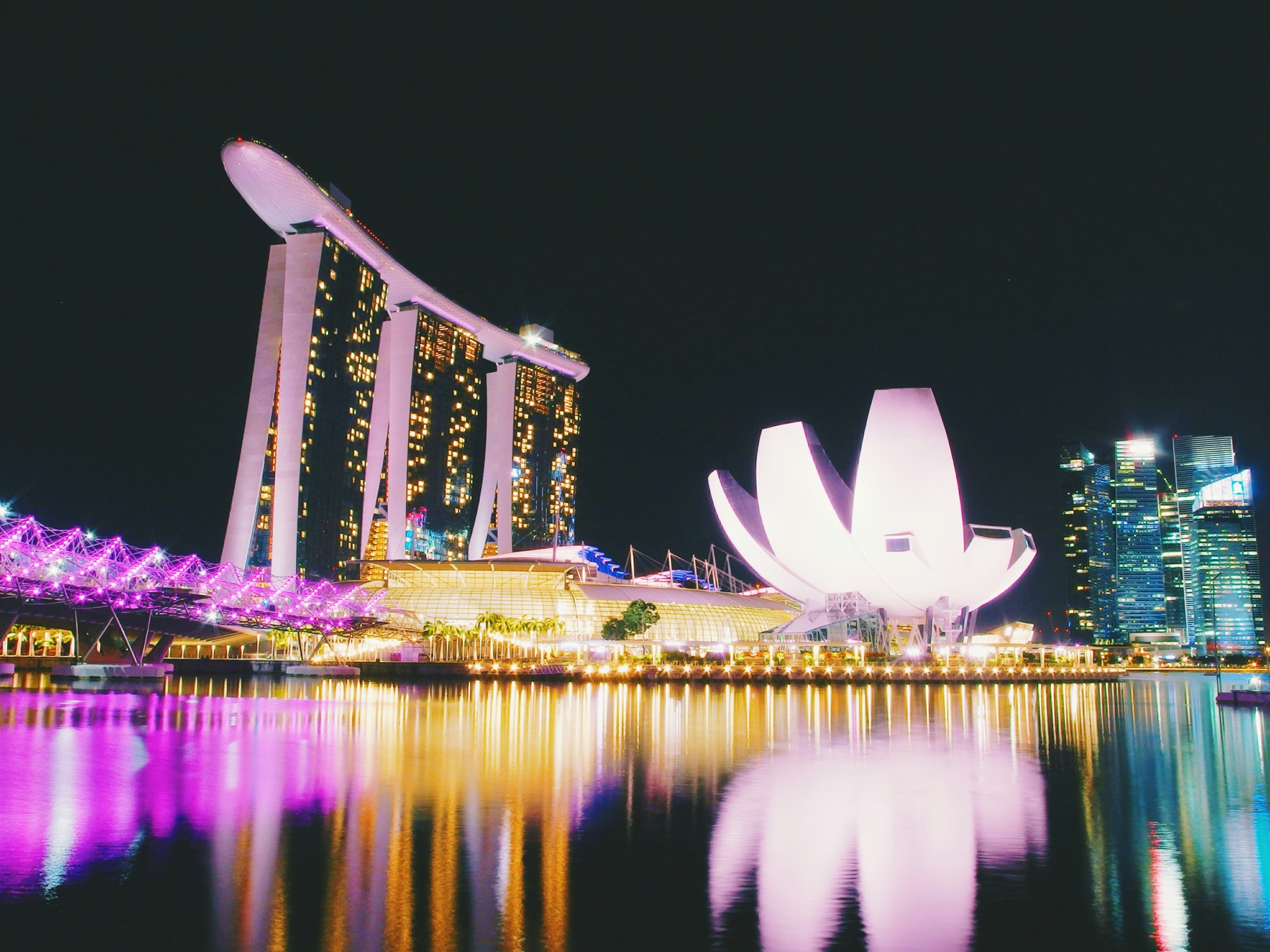
Think of an Asia cruise as a floating sampler menu. One itinerary might give you Singapore skyscrapers, Thai beaches, Vietnamese street food and Malaysian night markets. Another might focus on Japan, with polished cities, shrines, gardens, hot springs and excellent public transport.
For UK travellers, the cruise itself is only one part of the holiday. Flights, arrival time, jet lag, hotel nights and transfers can make or break the trip. Give yourself breathing room at the start; nobody wants their first memory of Asia to be sprinting through an airport with a suitcase doing its own thing.
Common Route Styles
Routes may include Singapore, Malaysia, Thailand, Vietnam, Japan, South Korea, Hong Kong, Taiwan or Indonesia. Some are short warm-weather cruises from Singapore. Others are longer culture-heavy itineraries around Japan or Southeast Asia.
Singapore round-trip cruises are often the easiest introduction. The airport is efficient, the city is clean and simple to explore, and nearby ports can include Malaysia and Thailand. These cruises can work well for first-timers who want Asia without making every day feel like an expedition.
Japan cruises are usually more destination-focused. Ports may include Tokyo/Yokohama, Osaka/Kobe, Nagasaki, Fukuoka, Hakodate or regional ports depending on the season. They suit travellers who enjoy food, history, gardens, trains and well-organised days ashore.
Southeast Asia itineraries can be exciting but more varied in logistics. Some ports are close to the main sights; others need long transfers. Read each port carefully before booking expensive excursions.
Best Time To Cruise Asia
There is no single best month for all of Asia because the region is huge. Southeast Asia is generally warm year-round, but humidity and rain patterns vary. Japan has popular spring cherry blossom and autumn foliage periods, though these can be busier and more expensive.
If you are flexible, compare shoulder-season sailings. You may find better value and more comfortable sightseeing. Always check the likely weather for the actual countries on your itinerary, not just the word “Asia” on the brochure.
What To Check
Check visa rules, passport validity, vaccination advice, travel insurance, flights, transfer times and whether ports are close to the main city. Some famous destinations require long transfers.
Also check whether the ship keeps your passport during the sailing, how immigration is handled, and whether the cruise line arranges group clearance at certain ports. These details can affect how relaxed the first hour ashore feels.
Flights deserve special attention. If you are flying from the UK, arrive at least one day early and ideally two if the cruise is expensive or starts far from home. This gives you time to recover, collect delayed luggage if needed, and actually enjoy the embarkation city.
Shore Days And Excursions
Asia ports can be brilliant independently, but not all of them are simple walk-off days. In compact cities such as Singapore, public transport and taxis can be easy. In ports where the main attraction is far inland, a ship excursion or well-reviewed private tour may be safer.
When comparing excursions, look at travel time, group size, heat, walking distance and return guarantees. A cheap tour is not much of a bargain if half the day disappears on a coach and you spend the afternoon checking your watch.
Who It Suits
Asia suits curious travellers who enjoy food, culture and variety. It is less ideal if you want a simple no-fly cruise or dislike long travel days. It can also be tiring if you try to do every temple, market, viewpoint and museum in one go.
Families can enjoy Asia cruises, but they should check flight length, heat, kid-friendly excursions and whether the ship has enough onboard facilities for sea days. Couples and experienced cruisers often love the region because every port can feel meaningfully different.
Simple Planning Checklist
- Add flights, hotels and transfers before comparing the cruise fare.
- Check visa and passport rules for every country on the itinerary.
- Arrive early before embarkation, especially after a long-haul flight.
- Research whether each port is close to the main city.
- Balance big sightseeing days with easier beach, food or wander days.
- Choose travel insurance that properly covers cruises and long-haul travel.
First-Timer Tip
Arrive at least one day early before a long-haul cruise. Jet lag and embarkation queues are not a glamorous double act. If the cruise leaves from somewhere you have always wanted to visit, add two or three nights before sailing and turn the start into part of the holiday rather than a recovery exercise.
Travel extras
Make the airport bit easier
Holiday Extras can help compare airport parking, airport hotels, lounges and other travel add-ons before the cruise fare tricks you into forgetting the journey to the ship. Code automatically applies after a search. Some links on The Cruise Atlas may be affiliate links. If you buy through them, we may earn a small commission at no extra cost to you. As an Amazon Associate I earn from qualifying purchases.
Tours and port days
Find experiences ashore
Use Viator as a comparison tool for tours, transfers, tickets and port-day ideas. Ship excursions can still be the safer choice when timings are tight. Some links on The Cruise Atlas may be affiliate links. If you buy through them, we may earn a small commission at no extra cost to you. As an Amazon Associate I earn from qualifying purchases.