
Quick Answer
Choose a Northern Europe cruise if you want handsome cities, cooler weather, easy sightseeing and a break from the usual “beach, buffet, repeat” holiday rhythm. Routes can include Scandinavia, Germany, the Netherlands, Belgium, the Baltics and the British Isles.
For UK travellers, Northern Europe is also one of the easiest ways to cruise without flying. Many sailings leave from Southampton, Dover, Tilbury, Liverpool or other UK ports, so you can skip airport queues and start the holiday with a suitcase that is not being weighed like evidence in court.
The big thing to understand is that Northern Europe cruises are usually about places rather than pool decks. You might sail into old merchant cities, island capitals, fjord-side towns or former Hanseatic ports. The weather is less predictable than the Med, but the sightseeing can be superb.
Who It Suits
Northern Europe suits travellers who like museums, architecture, food markets, old towns and comfortable sightseeing temperatures. It is a strong choice for couples, culture lovers, older travellers, families who like active city days, and anyone who prefers fresh air over 38-degree heat.
It is less ideal if your cruise vision requires palm trees, hot beach days and late-night promenades in shorts. You may get sunshine, but you should not book this region expecting Caribbean weather with a Nordic accent.
First-time cruisers often like Northern Europe because the ports can feel familiar and manageable. City transport is usually straightforward, English is widely understood in many ports, and there is often less pressure to book expensive beach-style excursions.
Main Route Types
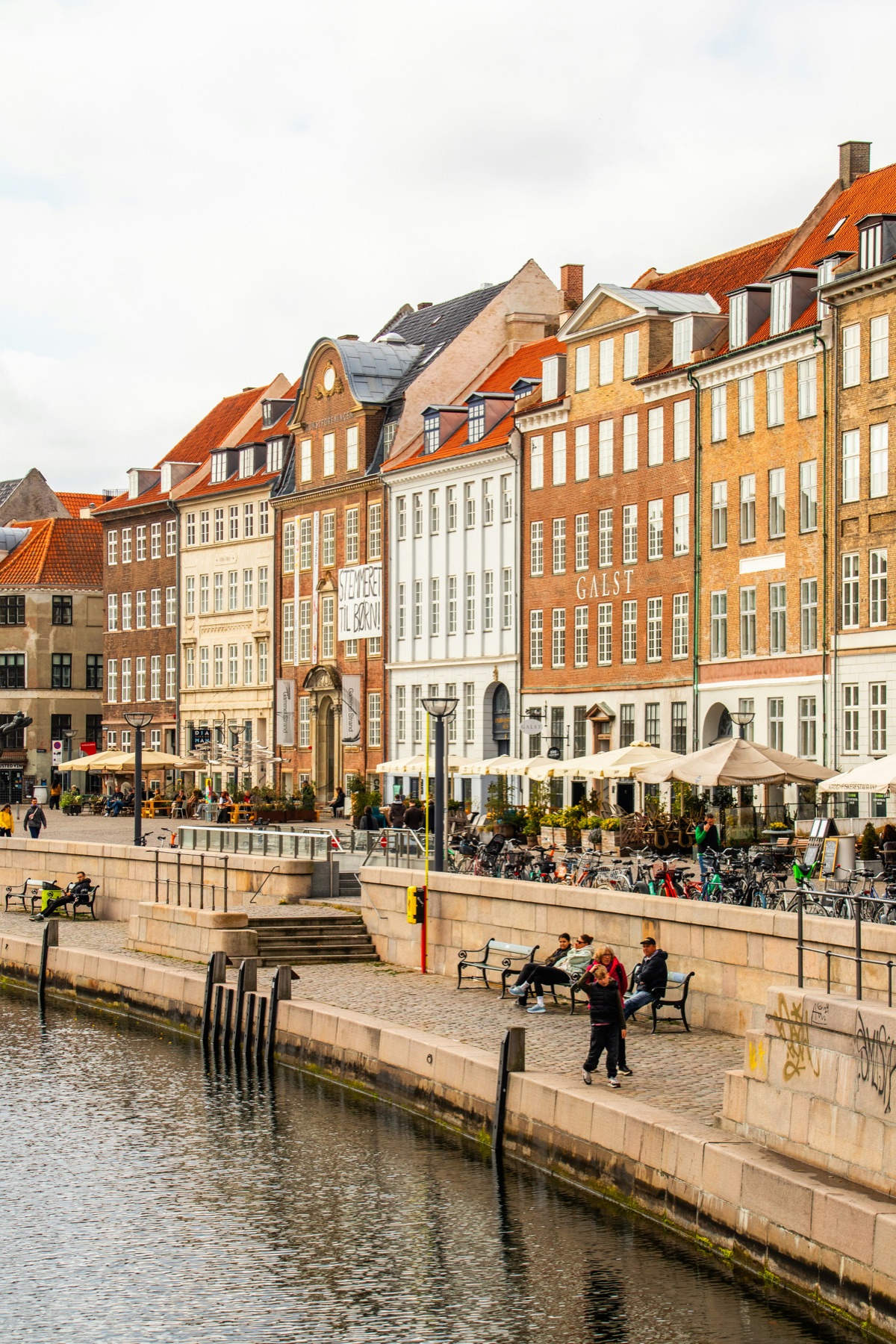
Baltic-style itineraries usually focus on city ports such as Copenhagen, Stockholm, Helsinki, Tallinn and sometimes northern Germany or Poland, depending on the sailing. These cruises are good if you want architecture, museums, waterfronts and compact old towns.
Scandinavia and fjords routes are more scenic. You may spend time in Norway, Denmark or Sweden, with dramatic sail-ins, mountain views and quieter port days. If the fjords are your priority, read the route carefully because not every “Northern Europe” sailing includes deep-fjord scenery.
British Isles cruises are handy if you want a no-fly trip with ports in Scotland, Ireland, England, Wales or nearby islands. They can be brilliant for castles, coastlines and history, but the weather likes to keep everyone humble.
Short Northern Europe cruises may call at places such as Amsterdam, Bruges, Hamburg, Rotterdam or Le Havre. These are good taster cruises if you want to try a ship without committing to two weeks.
Best Time To Go
The main season runs from spring to early autumn. May, June and September can be excellent for sightseeing because ports are often a little less crowded and the weather is comfortable for walking. July and August bring longer daylight and school-holiday sailings, but popular ports can be busier.
If you are chasing warmth, this is not the safest bet. If you are chasing long days, clean air, attractive cities and good walking weather, Northern Europe can be a lovely choice.
Ports To Research Before Booking
Do not assume the ship docks in the city centre. Some ports are wonderfully easy. Others use industrial terminals, shuttle buses or transfer ports that are a fair distance from the headline city.
For example, “Bruges” often means Zeebrugge, and “Berlin” can involve a long journey from the port. That does not make the cruise bad; it just means the port day needs planning. Look at travel time before choosing excursions, especially if you dislike long coach journeys.
What To Pack
Pack layers, waterproofs and comfortable shoes. Even summer can be breezy, and city days often involve walking on cobbles, steps and waterfront paths. Bring a small umbrella or rain jacket and do not trust blue sky at breakfast.
Useful items include a light fleece, waterproof jacket, day bag, refillable water bottle, portable charger and shoes you have already broken in. A smart-casual outfit is enough for most evenings unless your cruise line has formal nights.
Costs To Watch
Scandinavian ports can be expensive ashore. Budget for coffee, lunches, transport and excursions. City shuttle buses may also add cost, and some cruise lines charge separately for transfers from port to centre.
If you are trying to keep costs sensible, choose ports where you can walk or use public transport independently. Many Northern Europe cities are good for self-guided days if you plan the route before you leave the ship.
Northern Europe Cruise Checklist
- Check whether the cruise is city-heavy, scenery-heavy or a short taster sailing.
- Look up the real port location, not just the city name in the brochure.
- Budget for shuttles, public transport and lunches ashore.
- Pack for changeable weather rather than the average temperature.
- Compare no-fly departures with fly-cruise routes once hotels and transfers are included.
Booking Tip
Check port times carefully. City itineraries are only as good as the hours you actually get ashore. A famous city with a six-hour call and a two-hour transfer each way may be less enjoyable than a smaller port where you can stroll off the ship and start exploring within minutes.
The sweet spot is a route where the ports match your energy level. If you love busy days, pick city-rich itineraries. If you want a calmer holiday, look for scenic cruising, smaller towns and fewer long transfer days.
Tours and port days
Find experiences ashore
Use Viator as a comparison tool for tours, transfers, tickets and port-day ideas. Ship excursions can still be the safer choice when timings are tight. Some links on The Cruise Atlas may be affiliate links. If you buy through them, we may earn a small commission at no extra cost to you. As an Amazon Associate I earn from qualifying purchases.