
Quick Answer
Australia, New Zealand and South Pacific cruises are best for travellers planning a bigger long-haul holiday. They can combine cities, scenery, beaches and island ports, but flights and pre-cruise planning matter.
This is not usually the “quick week away” end of cruising for UK travellers. It is the kind of trip where the cruise, flights, hotels and recovery days all need to be planned together. Done well, it can feel like several holidays in one: Sydney or Brisbane at the start, dramatic New Zealand scenery in the middle, and island ports if you choose a South Pacific route.
The main trick is to avoid treating the cruise fare as the whole cost. Long-haul flights, luggage, hotels, transfers, travel insurance and time off work can all change the real value.
Route Styles
Australia cruises may focus on the east coast, Tasmania, the Great Barrier Reef region or repositioning routes. New Zealand cruises are scenic and port-rich. South Pacific routes often include islands such as Fiji, Vanuatu or New Caledonia.
Australia coastal cruises are good if you want cities, beaches and warm-weather ports. Sydney is the classic headline port, but Brisbane, Melbourne, Adelaide, Perth/Fremantle and Cairns-region itineraries can also appear depending on the line and season.
New Zealand cruises are usually more about scenery and port days than sunbathing. Expect fjords, harbours, wine regions, wildlife, small towns and cooler weather in places. They are a strong choice if you like active sightseeing and landscapes.
South Pacific island cruises feel more tropical. They can include beach days, snorkelling, markets, cultural visits and relaxed island calls. They are beautiful, but check tender ports and weather because island operations can be affected by sea conditions.
Best Time To Go
Australia and New Zealand cruise seasons often centre on the Southern Hemisphere summer, roughly from late spring to early autumn. December to February can be popular because the weather is warmer, but it can also be busy and expensive.
Shoulder months can be a good compromise if you want better value or slightly cooler sightseeing. For New Zealand, pack for changeable conditions even in summer. For tropical islands, bring serious sun protection and be ready for humidity.
What To Budget For
Flights from the UK, hotels, transfers, insurance and longer trip duration can make this a bigger investment than Europe or the Canaries. Add these costs before comparing fares.
Build a simple “whole trip” budget before falling in love with a sailing. Include:
- Return flights from the UK.
- At least one pre-cruise hotel night, preferably more after a long-haul flight.
- Airport and port transfers.
- Cruise travel insurance.
- Excursions in ports where independent exploring is harder.
- Meals before and after the cruise.
- Extra luggage or internal flights if you extend the trip.
If two cruises look similar, the cheaper fare may not be the better deal once flight routes and hotel nights are added.
Flights And Pre-Cruise Stays
Arrive early. Long-haul flights bring delays, tiredness and the small but deeply annoying possibility of luggage arriving after you do. A pre-cruise stay gives you a buffer and lets you enjoy the departure city rather than stumbling straight from plane to gangway.
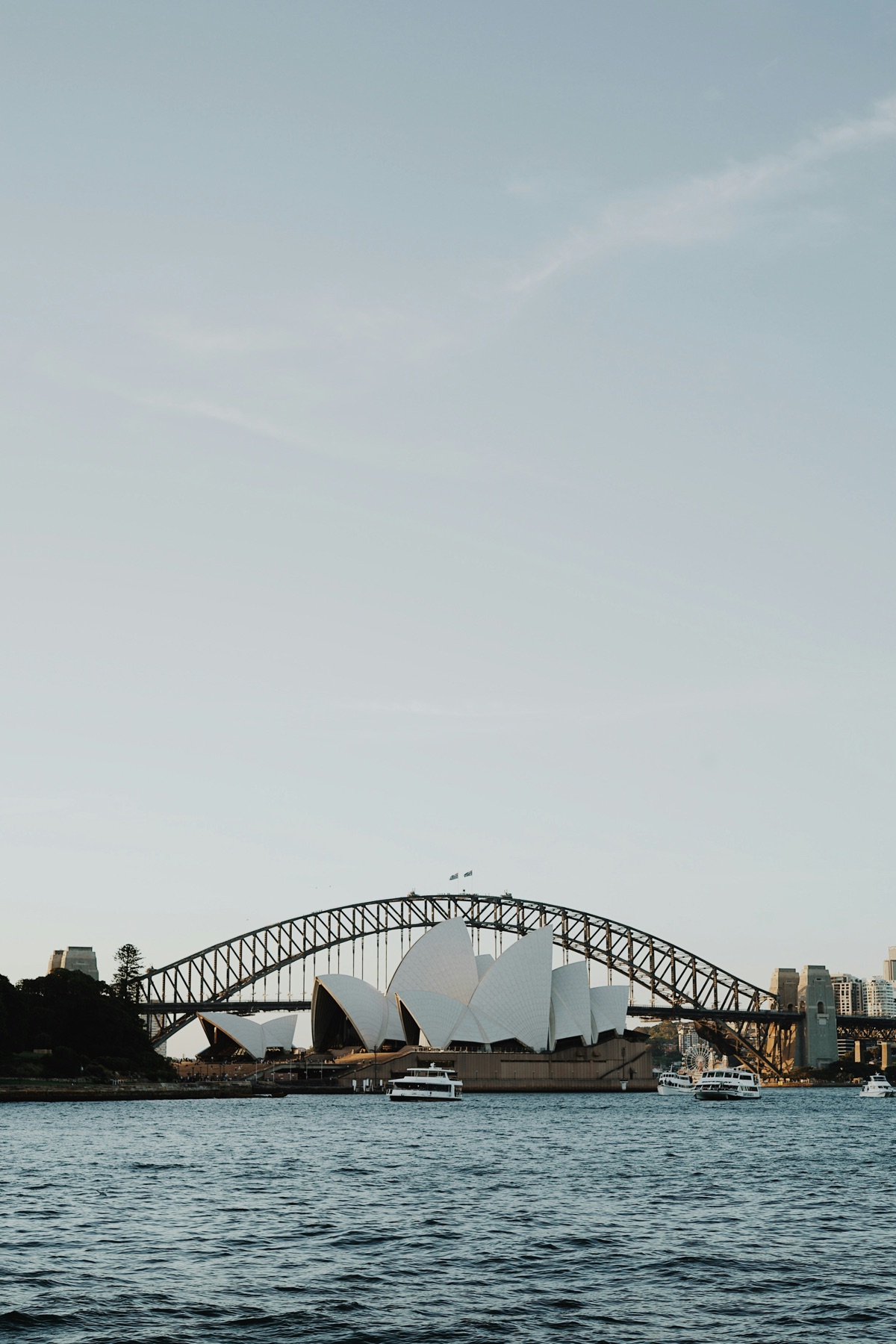
Sydney is especially worth extra time if your cruise starts there. A harbour sailaway is much better when you have already had a day or two to look around, recover and stop wondering what time your body thinks it is.
Packing Advice
Pack for the actual route, not just the words “South Pacific”. New Zealand can need layers and waterproofs, while island routes need sun protection and warm-weather clothing.
For Australia and New Zealand, bring comfortable walking shoes, a light waterproof, sun cream, a hat, swimwear and a few smarter evening outfits. For island-heavy routes, add reef-safe sunscreen where appropriate, a dry bag, insect repellent and clothes that dry quickly.
Who It Suits
These cruises suit travellers who want a bigger adventure and do not mind the travel time. They are good for couples, retirees, experienced cruisers, honeymoon-style trips and families who can handle long flights. They are less ideal if you want low-effort logistics or a budget-friendly first cruise.
Planning Checklist
- Compare the whole holiday cost, not just the cruise fare.
- Choose the route style first: Australia coast, New Zealand scenery or South Pacific islands.
- Add recovery time before embarkation.
- Check whether key ports use tenders.
- Research excursions early for scenic railways, wildlife, reefs and remote areas.
- Make sure your insurance covers cruises, long-haul travel and any adventure activities.
Final Advice
Treat these cruises as a major trip rather than a quick getaway. Build in recovery time before embarkation and avoid planning flights too tightly. If the journey is long, make it part of the holiday instead of a hurdle you are trying to survive.
Travel extras
Make the airport bit easier
Holiday Extras can help compare airport parking, airport hotels, lounges and other travel add-ons before the cruise fare tricks you into forgetting the journey to the ship. Code automatically applies after a search. Some links on The Cruise Atlas may be affiliate links. If you buy through them, we may earn a small commission at no extra cost to you. As an Amazon Associate I earn from qualifying purchases.
Tours and port days
Find experiences ashore
Use Viator as a comparison tool for tours, transfers, tickets and port-day ideas. Ship excursions can still be the safer choice when timings are tight. Some links on The Cruise Atlas may be affiliate links. If you buy through them, we may earn a small commission at no extra cost to you. As an Amazon Associate I earn from qualifying purchases.